


Academic knowledge is not the full measure of student readiness. Many students can give the right answer but still struggle when they have to explain their thinking, solve a problem with others, or keep going after a first attempt falls apart.
Communication, teamwork, adaptability, and problem-solving help students handle those moments. These skills do not usually develop on their own. They grow through guided practice, which is one reason project-based learning can be so effective in both homeschool and classroom settings.
What Is the “Soft Skills Gap” and Why Does It Matter?
The soft skills gap is the space between what students know and what they can do with that knowledge when collaboration, pressure, or setbacks are involved.
A student may understand a concept but struggle to explain it to a partner or adjust when a group plan stops working. Those challenges shape more than one assignment. They affect how students contribute, respond to frustration, and work toward a shared goal.
Like academic skills, these abilities need modeling, feedback, and repeated practice. Without that support, students may know the material but still have trouble applying it in real situations.
Why Projects Are the Best Way to Teach Collaboration and Problem-Solving
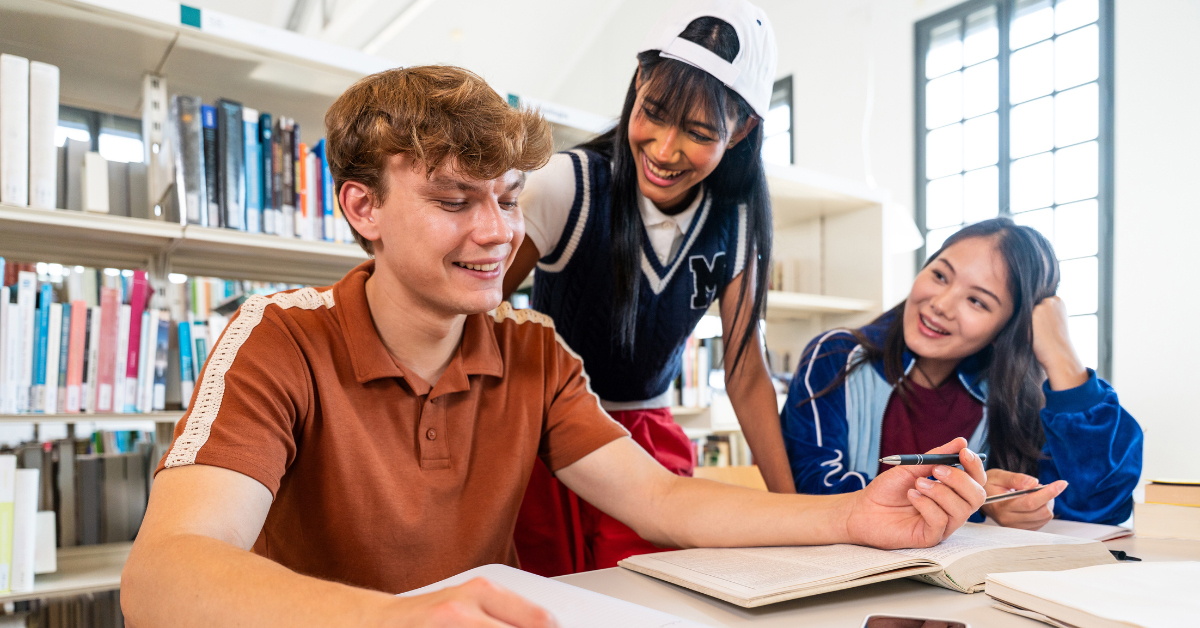
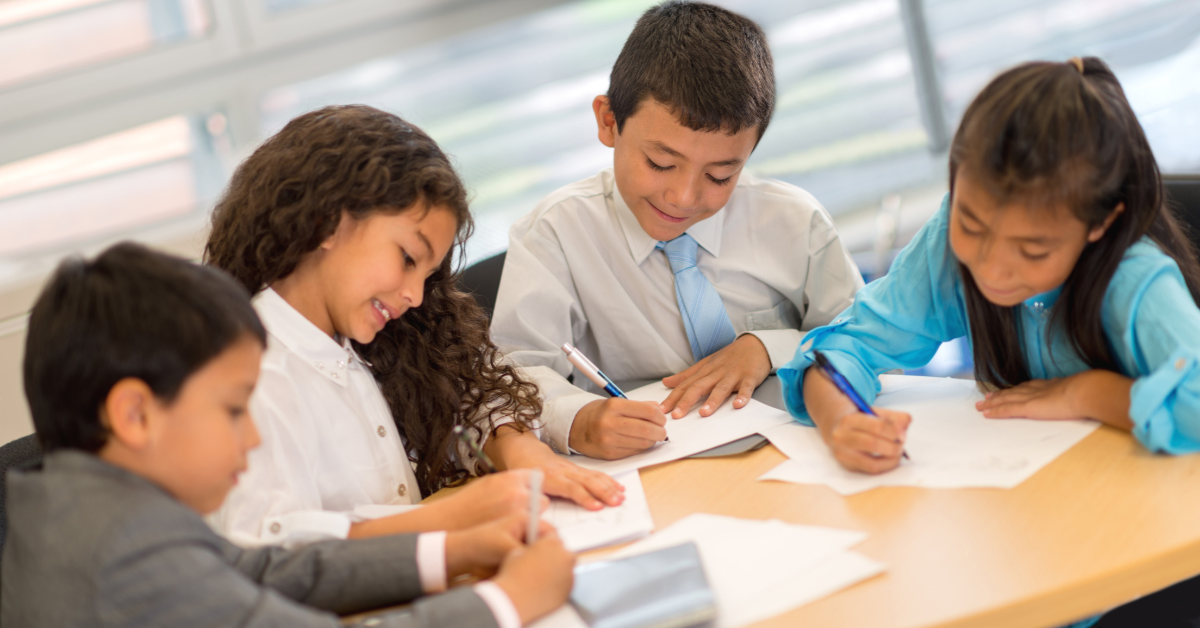
Projects work because they make collaboration visible. Students have to communicate, divide responsibility, make decisions, and adjust when a plan does not hold up.
Most projects also work because they turn abstract expectations into real demands. Instead of simply absorbing information, students have to apply what they know with other people, which often leads to stronger engagement.
Good projects also create productive uncertainty. There may be more than one solution. A design may need to be revised. A group may disagree about priorities. This kind of decision-making gives students practice in negotiation, persistence, and flexible thinking.
How to Structure Projects That Require True Collaboration
Not every group assignment builds collaboration. Some only divide labor, with one student writing, one presenting, and another waiting for direction. That’s not the same as solving a problem together.
Three design choices matter most when putting projects together to bridge the soft skills gap:
- A shared outcome
- Clear responsibilities
- Tasks that require interdependence
Students are more likely to collaborate meaningfully when they work toward a single outcome together, whether that’s a model, presentation, proposal, or tested solution.
Clear roles can help. Give students titles such as “facilitator,” “researcher,” “builder,” “recorder,” and “presenter.” These roles work well together in traditional or homeschool classrooms because expectations are clearly defined in both directive and identity terms. In homeschool settings, siblings can rotate roles across shorter tasks. In traditional classrooms, role cards or checklists can help students stay accountable.
The task itself should also require students to rely on one another. If each part can be completed alone and stitched together later, the group is not truly collaborating. Strong projects require students to gather information, make choices, test ideas, and revise as a team.
Teaching Students How to Solve Problems Together
A difficult task does not by itself teach problem-solving. Students need a process they can return to when the first idea does not work.
A simple sequence often works well.
- Define the problem clearly.
- Brainstorm more than one solution.
- Evaluate the options together.
- Test one idea.
- Review the result.
- Revise and try again.
This gives students a path forward when the work gets frustrating. Instead of stepping in with the answer, the instructor can guide students through the next decision.
Coaching questions to help keep the process moving:
- What obstacle are you facing right now?
- What have you already tried?
- Which option still seems worth testing?
- What can you do differently next?
Helping Students Navigate Conflict and Build Communication Skills
Disagreement happens, and it is not always a sign that something is wrong. In many projects, it is a sign that students care about the outcome.
Although it may be tempting, try not to remove tension from group work. The goal is to teach students how to work through it without making it personal. That often requires intentional practice in empathy and perspective-taking.
Instead, try a short reset:
- State the issue calmly
- Let each person explain their reasoning
- Return to the shared goal
- Identify a compromise when needed
- Agree on one next step.
Let students practice adapting when conditions change. Changing one requirement midway through a task, asking students to improve a weak first draft, or requiring the group to consider two solutions before choosing one of them can build resilience and help open their minds to new ideas.
How to Assess Collaboration and Problem-Solving Skills
A finished project can look strong even when the group process was weak. That’s why it helps to assess how students worked, not just what they produced.
Look for signs of how each student participated in listening, follow-through, willingness to revise, and response to setbacks. Reflection can make their growth easier to see.
Questions that can support the problem-solving process:
- What challenges did your group face?
- How did you work through them?
- When did you need to change the plan?
- How did you support another group member?
- What did you learn from this process that you can carry forward into your next group experience?
Project Ideas That Build Soft Skills
Some projects make collaboration and problem-solving easier to observe than others.
Challenges involving STEM design work well because students face a clear problem and a visible result. Research and presentation projects can do the same, especially when they are tied to a local issue. Community service projects also give students a clear reason to plan carefully, divide responsibilities, and reflect on how their work affects others.
In homeschool settings, this may look like sibling design challenges, co-op research teams, or service-based projects with clearly assigned roles. In traditional classrooms, it may look like smaller groups, shorter work cycles, and regular instructor check-ins.
Creative storytelling and digital creation projects can also give students meaningful opportunities to practice communication and shared decision-making.
Preparing Students for Real-World Success
Students who learn how to work through disagreement, adjust a weak plan, and contribute to a shared goal build skills that extend far beyond a single assignment.
Overcoming the soft skills gap requires repetition, guidance, reflection, and work that asks something real of students. Structured projects help create the space necessary for students to practice the skills they’ll need long after a lesson or grade has been forgotten.
Help your students handle change, work through challenges, and think with greater confidence. Start by watching our episode of the Demme Learning Show on mastering flexible thinking.
Leave a Reply